
Packing for a trip usually comes down to one frustrating moment: digging through a single bag pocket looking for a charger, a passport, or a water bottle buried under clothes. That's the exact problem a backpack with multiple pockets is designed to solve, and it's why more travelers across California are switching from single-compartment bags to something built for actual organization.
This guide covers what to look for in a well-organized backpack, how it holds up for different types of trips, and what makes one worth the investment over a basic single-pocket design.
What Is a Backpack with Multiple Pockets and Who Needs One?
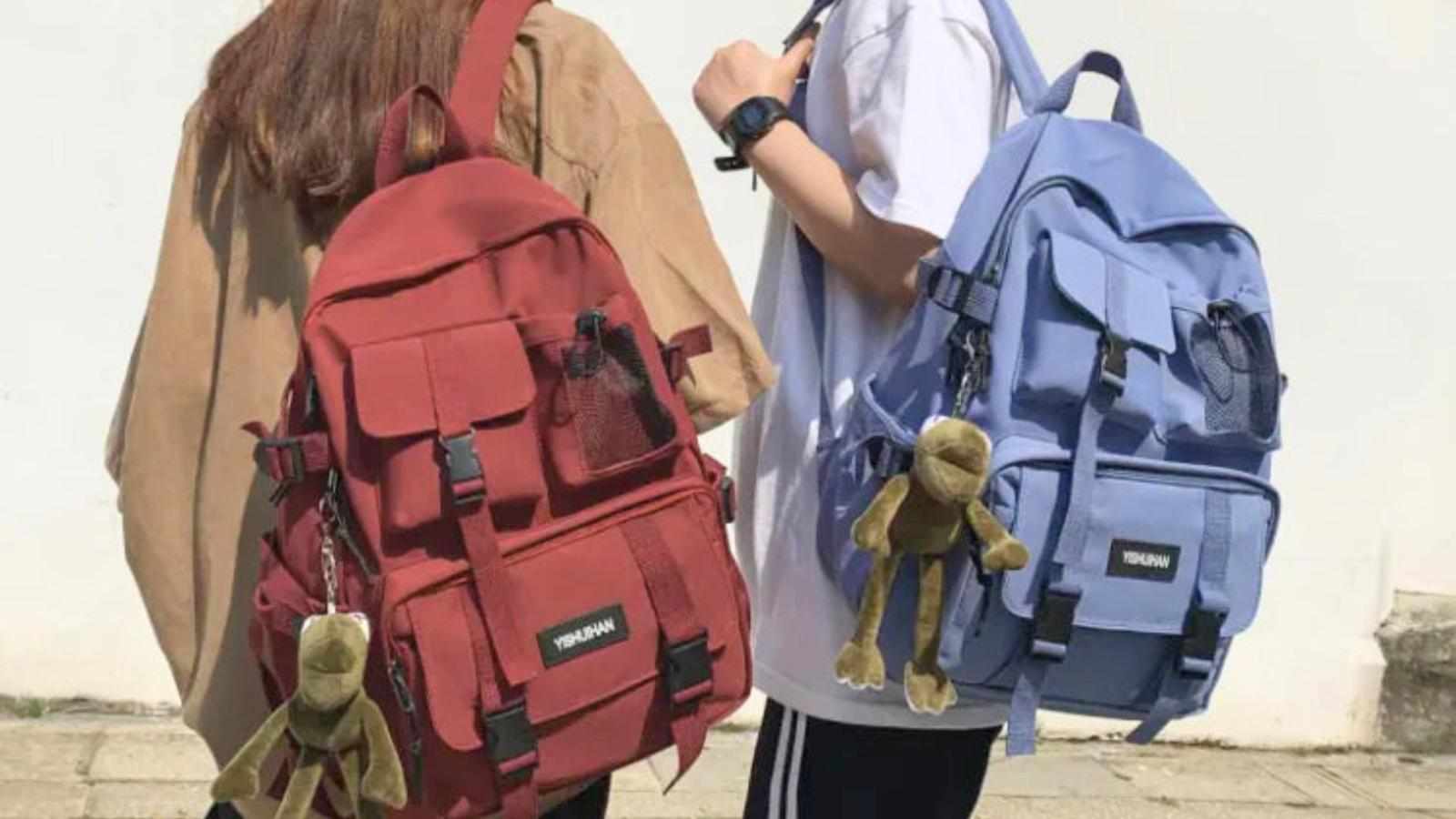
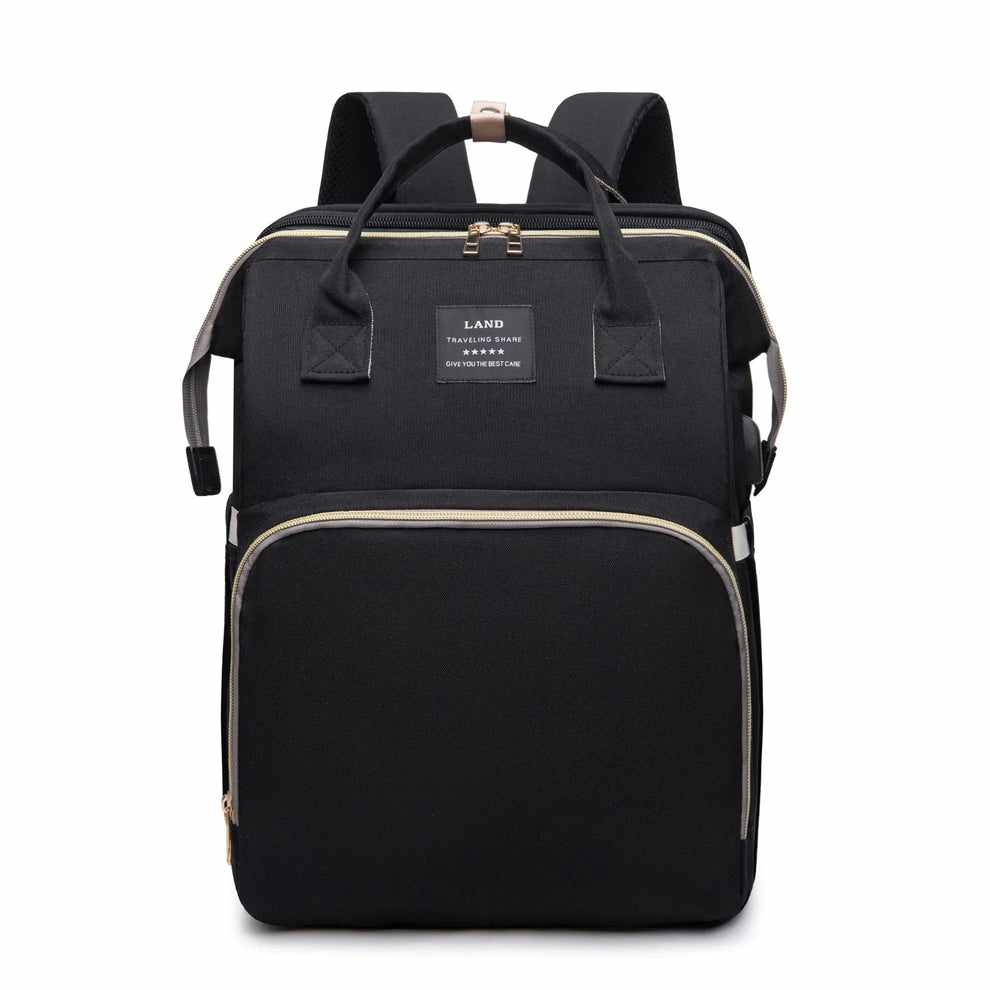
A backpack with multiple pockets is built around separate, dedicated compartments instead of one large open space. Rather than tossing everything into a single main section, you get specific spots for a laptop, cables, documents, toiletries, and daily items like keys or a phone.
This style works well for a wide range of people: commuters heading into an office, business travelers catching short flights between California cities, and weekend explorers packing for a couple of nights away. The common thread is needing quick access to specific items without unpacking the entire bag.
What Features Make a Travel Backpack Well Organized?
Not every backpack labeled "multiple pockets" actually delivers useful organization. A few features separate a genuinely functional design from one that just looks busy:
A spacious main compartment for clothing or bulkier items.
A padded laptop sleeve separate from the main storage area.
Smaller front pockets for chargers, pens, and small accessories.
Side pockets sized for a water bottle or umbrella.
Interior zip pockets for items like a passport or wallet that need to stay secure.
When these sections are clearly divided, packing becomes faster and unpacking at the other end is far less of a hunt.
Why Is Water-Resistant Material Important for a Travel Backpack?
Weather doesn't always cooperate, whether it's coastal fog rolling in unexpectedly or a sudden downpour during a hike. A backpack built from water-resistant fabric, such as treated canvas or coated cloth, keeps rain or splashes from soaking through to a laptop or documents stored inside.
This matters more than it might seem. A single unexpected shower can damage electronics or paperwork in a bag that isn't built to handle moisture, which is why durable, splash-resistant materials have become a standard expectation rather than a bonus feature.
How Do Padded Straps and a Breathable Back Panel Improve Comfort?
Comfort becomes noticeable the moment a bag is worn for more than a short walk. Padded shoulder straps distribute weight more evenly across the shoulders instead of digging in under load, which matters during longer walks through an airport or a full day of sightseeing.
A breathable back panel adds another layer of comfort by allowing airflow between the bag and your back, reducing the sweat buildup that often comes with a full pack on a warm day — a common concern for anyone walking around cities like Los Angeles or Sacramento in the summer months.
What Size Backpack Works Best for Business Trips and Weekend Travel?
A mid-size backpack, generally in the range built for 19-inch dimensions, tends to strike the right balance. It's large enough to hold a few days of clothing, a laptop, and travel accessories, but still compact enough to qualify as a personal item or carry-on for most airlines.
For business trips, this size accommodates a laptop, a change of clothes, and documents without needing a separate checked bag. For weekend getaways, it holds enough for two to three days without becoming bulky to carry around.
Where Can You Buy a Reliable Travel Backpack with Multiple Pockets?
Shopping through a general marketplace often means limited details about material quality or compartment layout. A dedicated travel accessories store typically provides clearer specifications material type, dimensions, and what each pocket is designed to hold making it easier to know exactly what you're getting before it arrives.
For anyone ready to buy travel backpack with multiple pockets options, choosing a store that specializes in travel gear also usually means the product has been tested against real trip conditions, not just general everyday carry.
How Many Pockets Should a Travel Backpack Actually Have?
More pockets isn't always better if they aren't useful. A well-designed bag typically includes somewhere between five and eight distinct sections: a main compartment, a laptop sleeve, one or two front organizer pockets, side bottle pockets, and at least one secure interior pocket.
Beyond that number, additional pockets often become more decorative than functional, adding weight without adding real storage value.
How Do You Pack a Multi-Pocket Backpack Efficiently?
Getting the most out of a well-organized bag comes down to a simple system:
Place the laptop in its padded sleeve first, since it should sit flat and protected.
Use front pockets for items you'll need quickly, like a phone charger or boarding pass.
Fill the main compartment with clothing, rolled rather than folded, to save space.
Reserve interior zip pockets for valuables like a passport or extra cash.
Keep a water bottle in the side pocket so it doesn't press against electronics inside.
This kind of packing routine turns a bag with multiple compartments into a genuinely faster travel experience instead of just extra zippers.
Final Thoughts
A well-built backpack with multiple pockets does more than just hold your belongings. It changes how quickly you can move through an airport, find what you need, and protect items like a laptop from both weather and rough handling. For business travelers, commuters, and weekend explorers across California, a durable, water-resistant design with clearly organized compartments tends to outperform a basic single-pocket bag on nearly every trip.
Frequently Asked Questions
1. Where can I buy a travel backpack with multiple pockets in California?
Specialty online travel accessories retailers usually provide more detailed sizing and material information than general marketplace listings.
2. Is a backpack with multiple pockets good for daily commuting in Los Angeles or San Francisco?
Yes, separate compartments make it easier to access items like a laptop, transit card, or phone without digging through the main section.
3. How do I buy travel backpack with multiple pockets options for business trips?
Look for a mid-size bag with a padded laptop sleeve, water-resistant material, and enough front pockets to organize cables and documents.
4. Does a water-resistant travel backpack protect a laptop during California's rainy season?
Water-resistant fabric helps reduce moisture exposure, though a dedicated laptop sleeve adds an extra layer of protection.
5. What size backpack works best for a weekend trip from San Diego?
A backpack sized around 19 inches typically holds two to three days of clothing along with a laptop and accessories.
6. Are backpacks with multiple pockets allowed as a carry-on for domestic flights?
Most mid-size multi-pocket backpacks meet standard personal item or carry-on size requirements, though it's worth checking with the specific airline.
7. How many compartments should a good travel backpack have?
Around five to eight functional sections, including a main compartment, laptop sleeve, and a few organizer pockets, usually covers most travel needs.
8. Can a multi-pocket backpack replace a suitcase for short trips?
For trips of two to three days, a well-organized backpack can often replace a suitcase, especially for business travel or quick getaways.
9. What material should I look for in a durable travel backpack?
Water-resistant, treated fabric such as coated canvas holds up better against rain and daily wear than untreated materials.
10. How do padded straps help during long walks through California airports?
Padded, ergonomic straps distribute weight more evenly across the shoulders, reducing strain during extended walking or standing.



Write a comment ...